Afanti Restaurant
Afanti Restaurant is a perfect example of how design and cuisine can be intertwined to create an unforgettable experience. It is not just about dining — it is about atmosphere, storytelling, and sensory engagement, making it a standout destination in Dubai’s competitive hospitality landscape.
Tandoor Grilled Fish Hotpot Dining
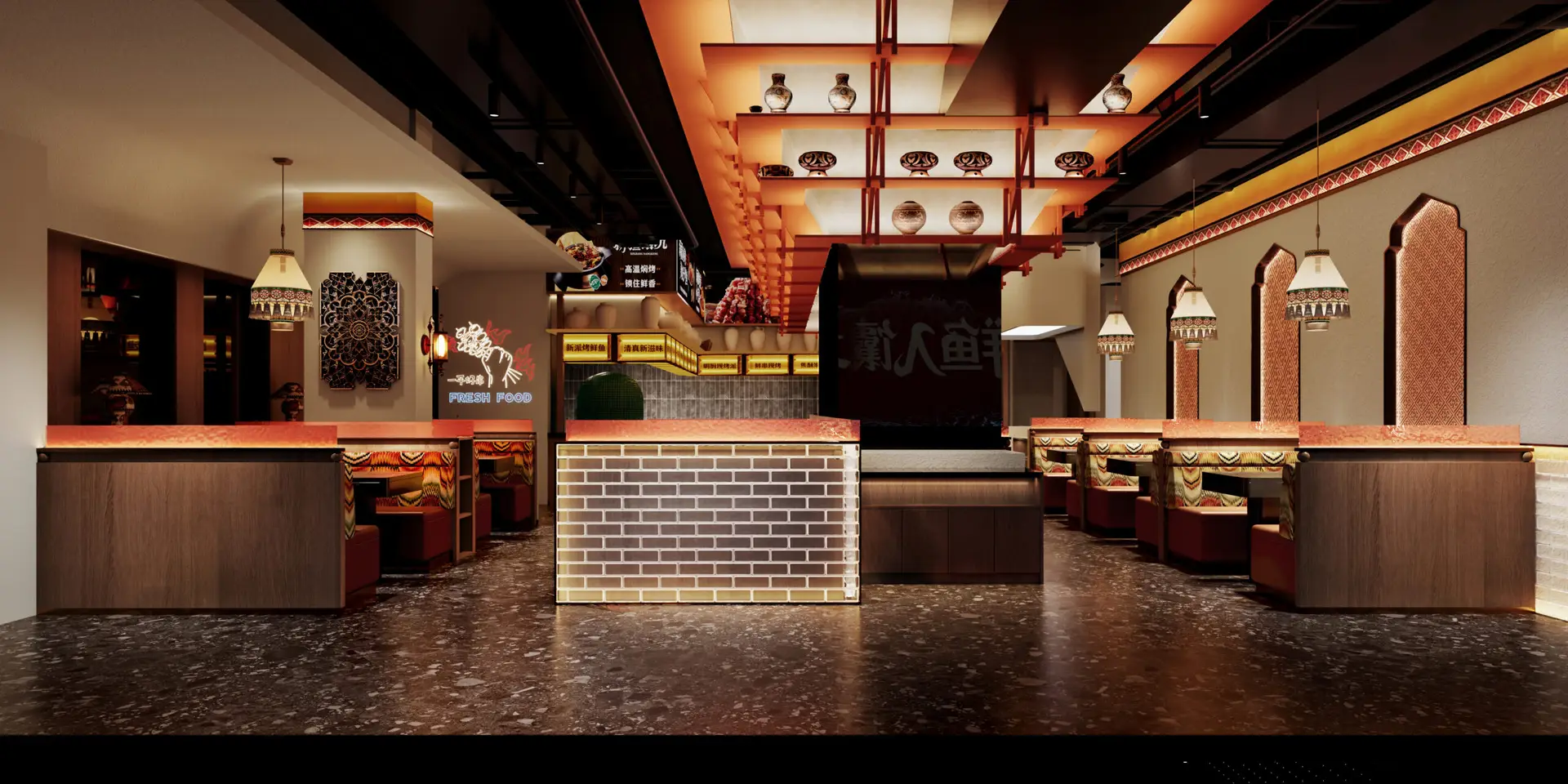
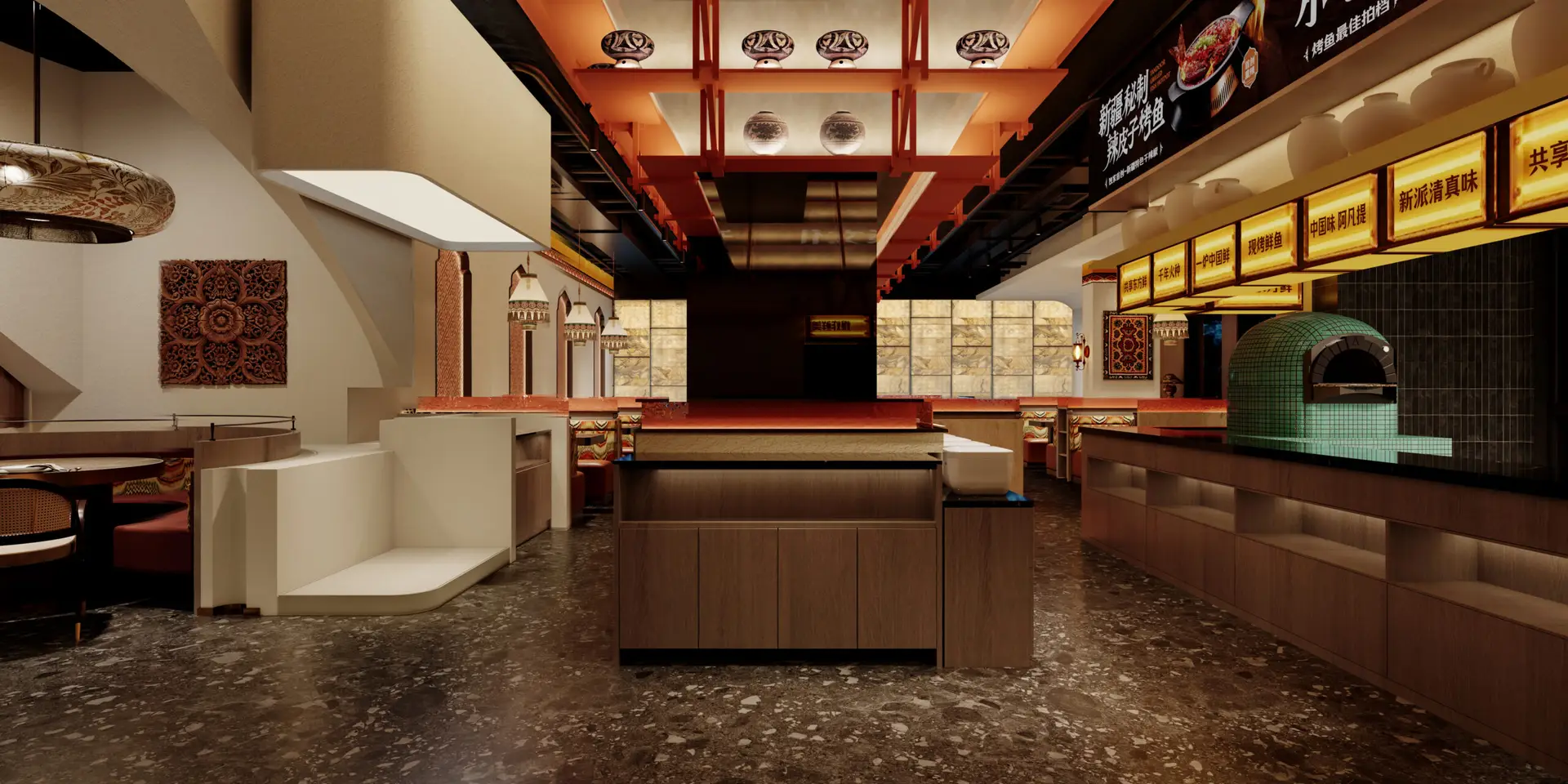
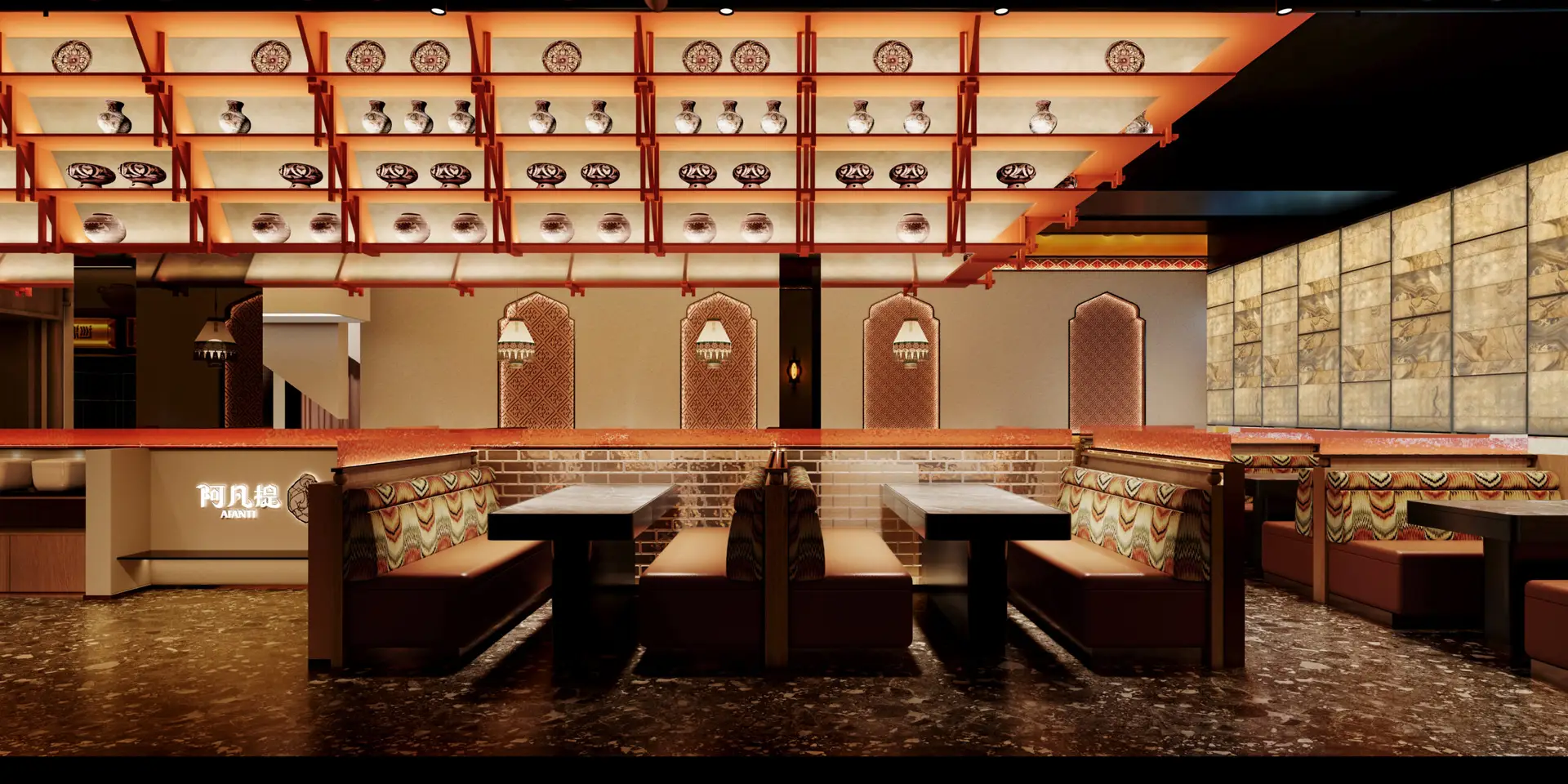
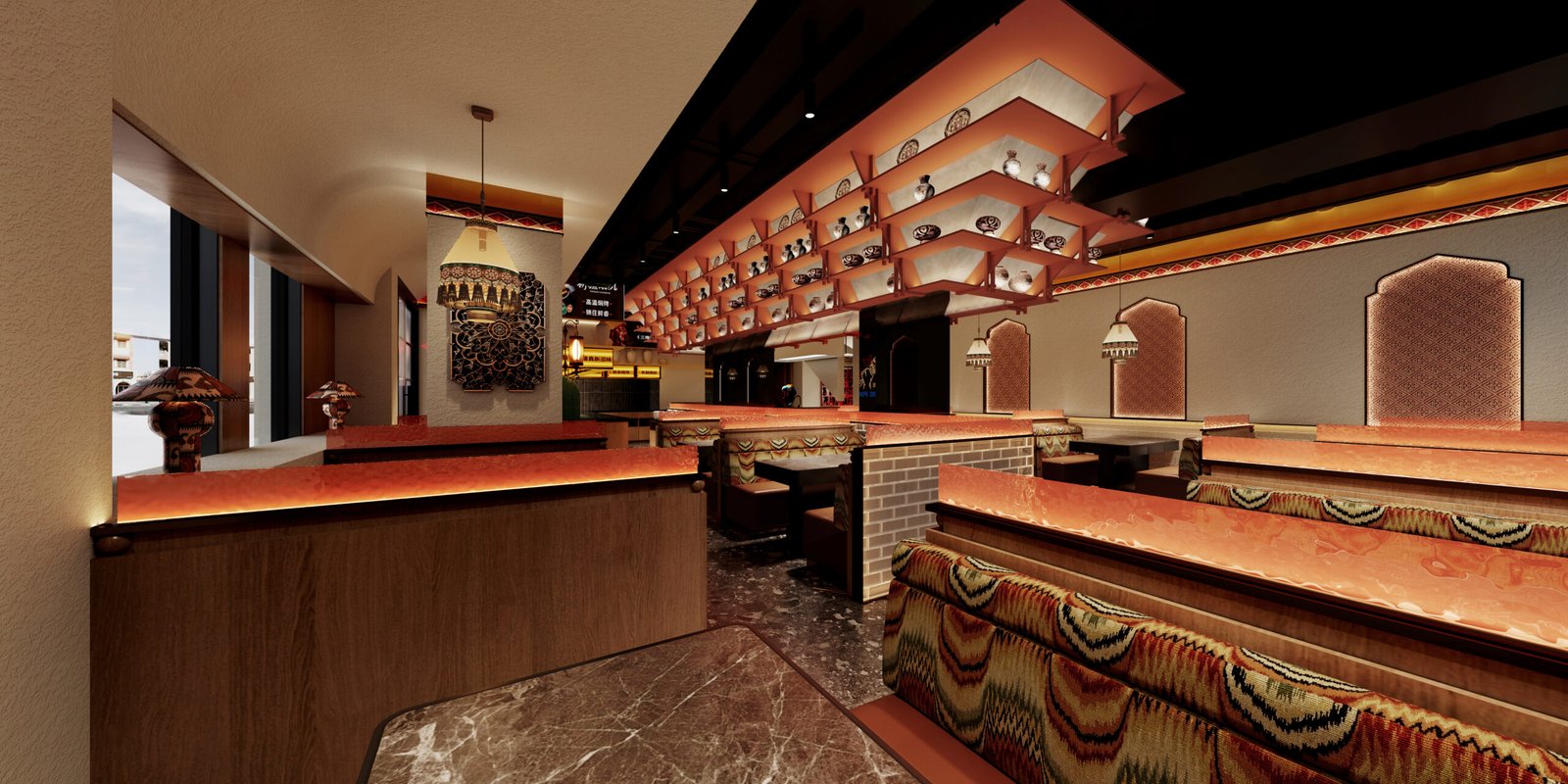
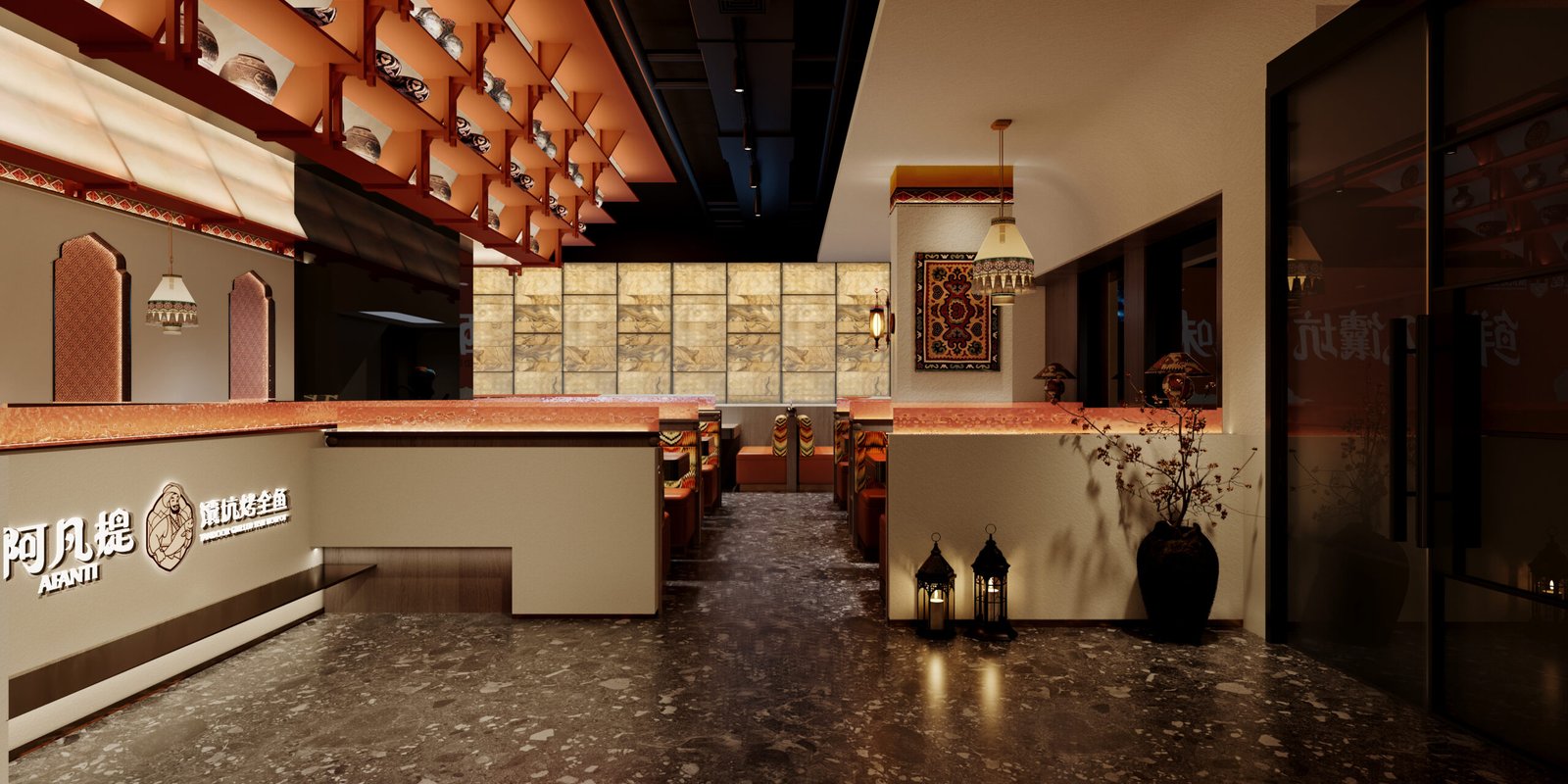
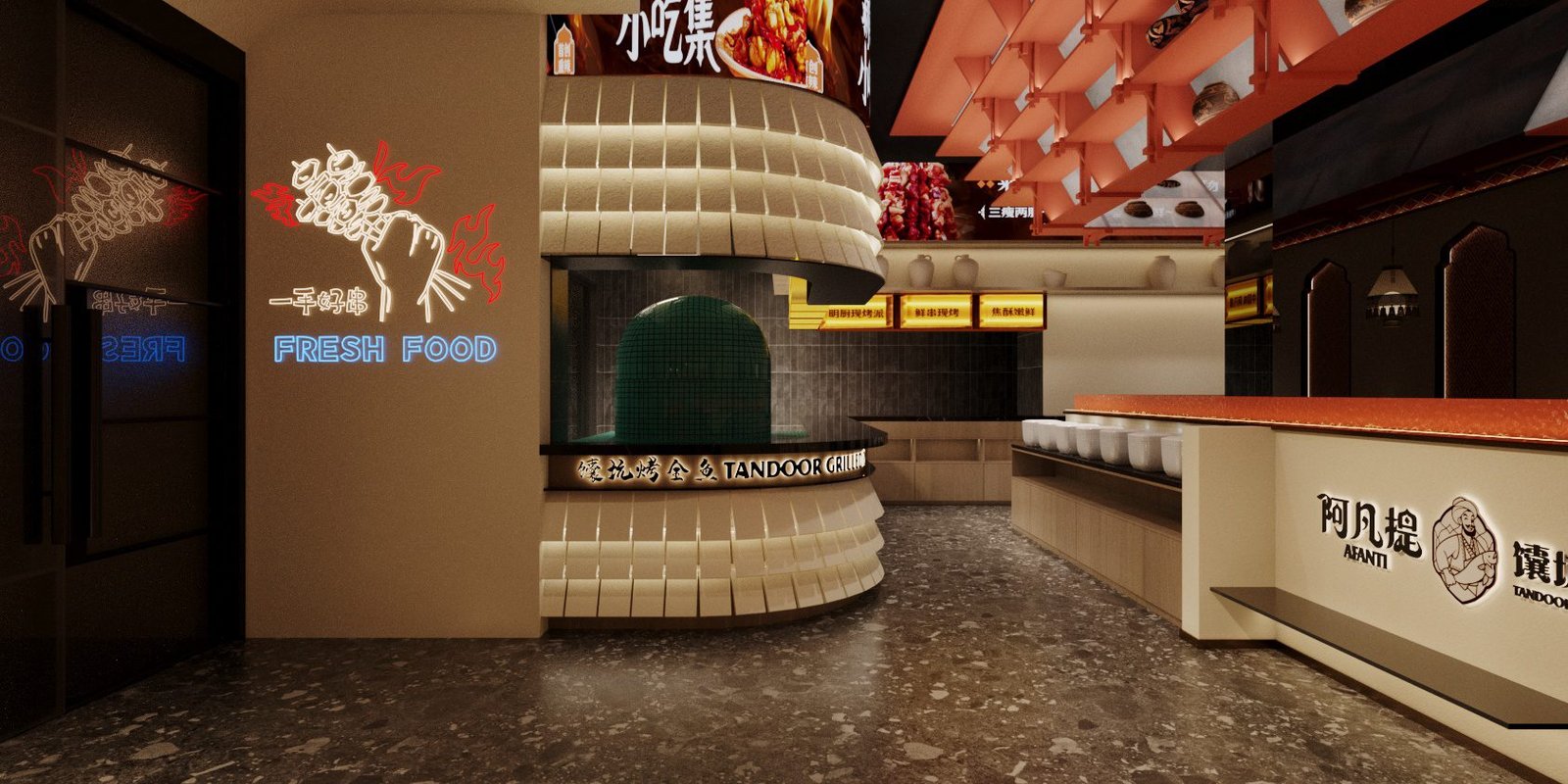
Afanti restaurant designed by Peng Space Interiors Dubai, is a vibrant culinary destination where traditional Chinese flavors meet modern hospitality aesthetics. The interior design celebrates the art of tandoor and hotpot dining with an inviting atmosphere defined by warm lighting, textured walls, and elegant furniture arrangements. A stylish bar with decorative illumination and crafted seating complements the restaurant’s dynamic concept, while the combination of natural materials and rich tones enhances the sense of comfort and authenticity. Every detail — from the sizzling tandoor area to the visually engaging grilled fish presentation — reflects cultural depth and design sophistication, offering guests an immersive dining experience that fuses taste, tradition, and contemporary style within Dubai’s International City.
One of The Recent Project We Completed
Traditional Design
Afanti is not just a restaurant, it is a journey through taste, tradition, and design innovation, offering guests a memorable culinary escape in the heart of Dubai.
Restaurant and Bar Design Inspiration
A Fusion of Flavor & Design Excellence
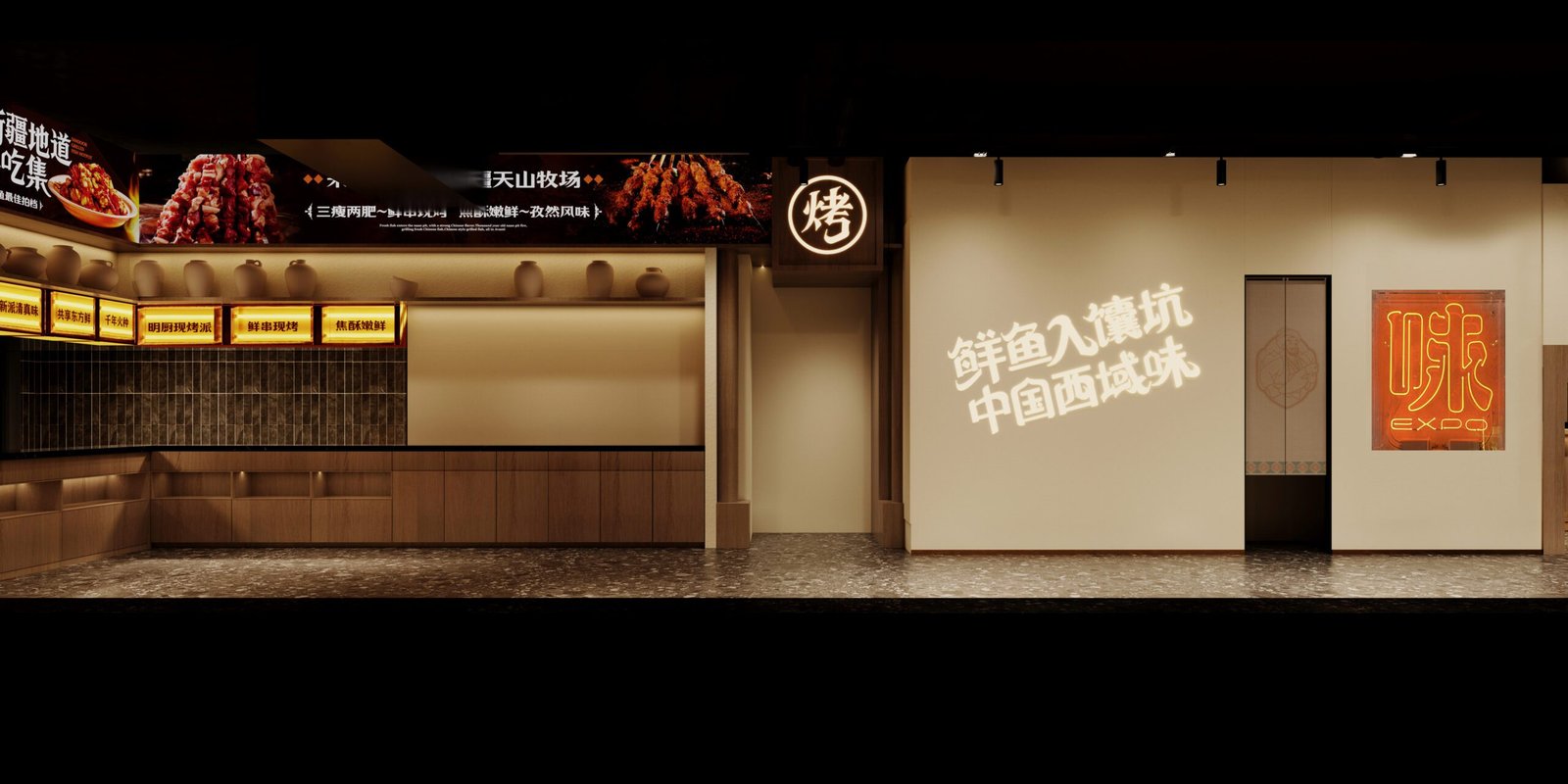
The design beautifully highlights the essence of tandoor and hotpot dining, featuring a dynamic live cooking experience. Let’s take a tour of the project site. The restaurant specializes in charcoal-grilled fish and hot pot dishes. The design concept and culinary features are deeply intertwined. This time, the Dagong team designed and constructed a space that seamlessly blends the elegance of Eastern aesthetics with contemporary sophistication.
Sensory Engagement
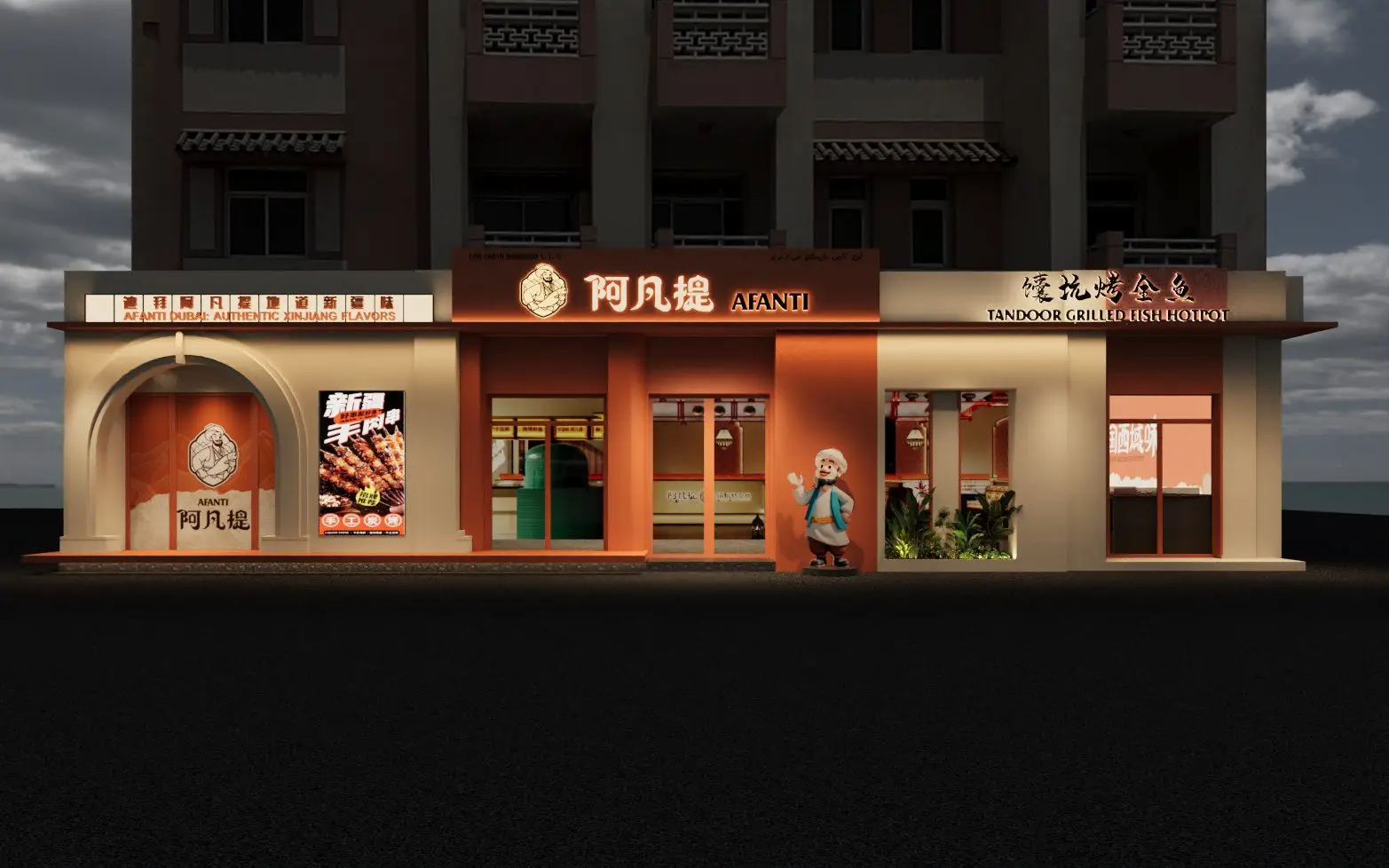
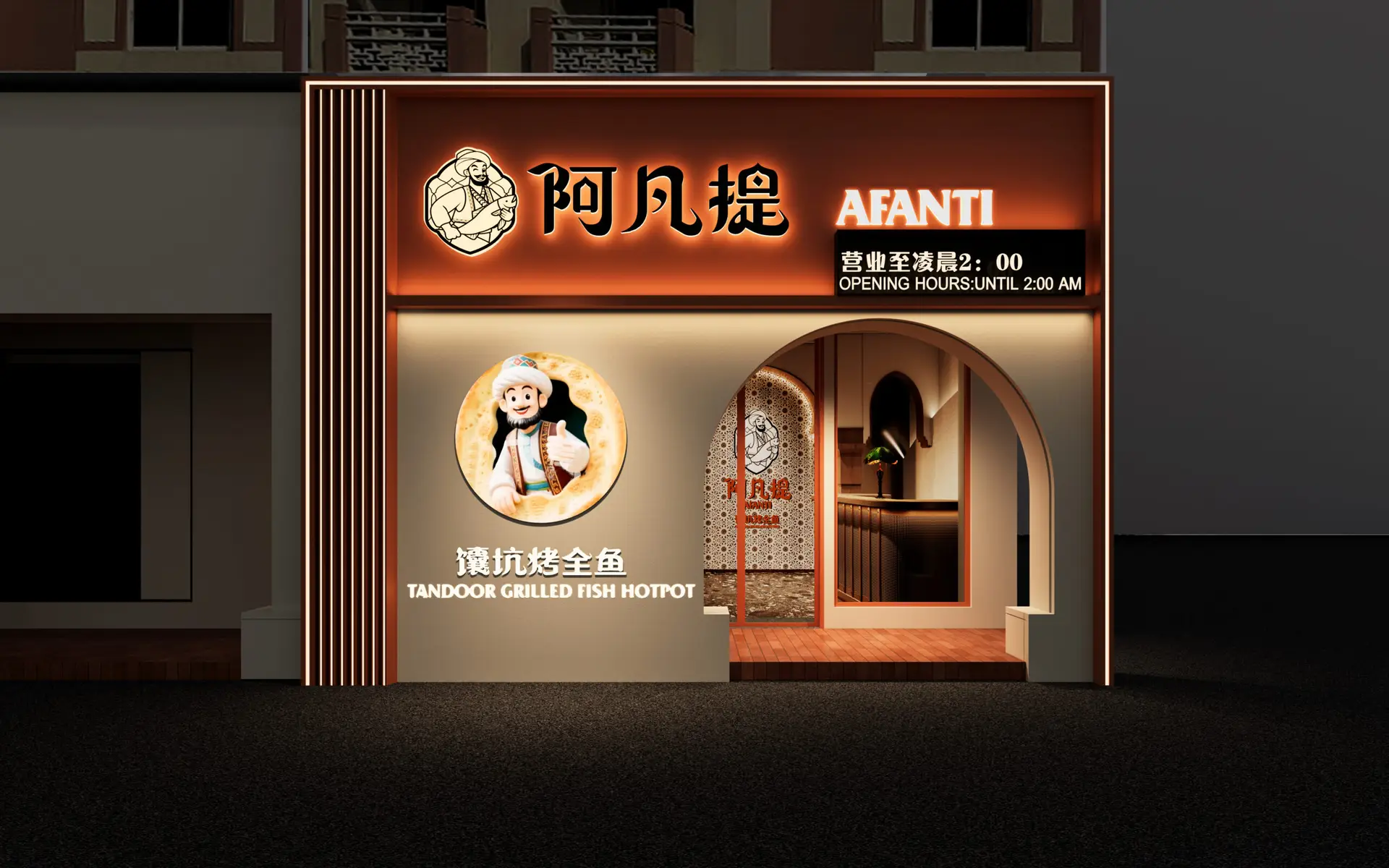
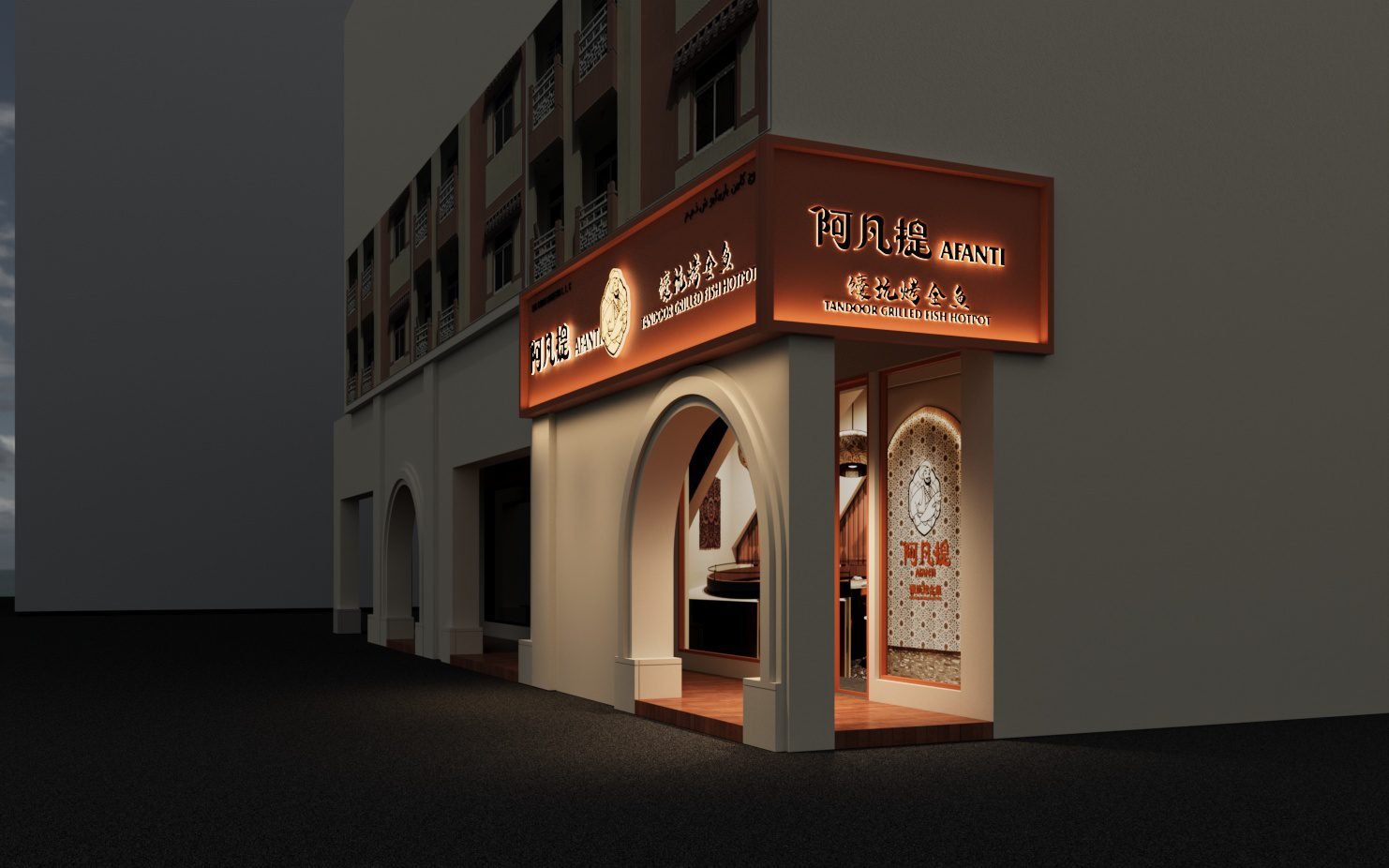
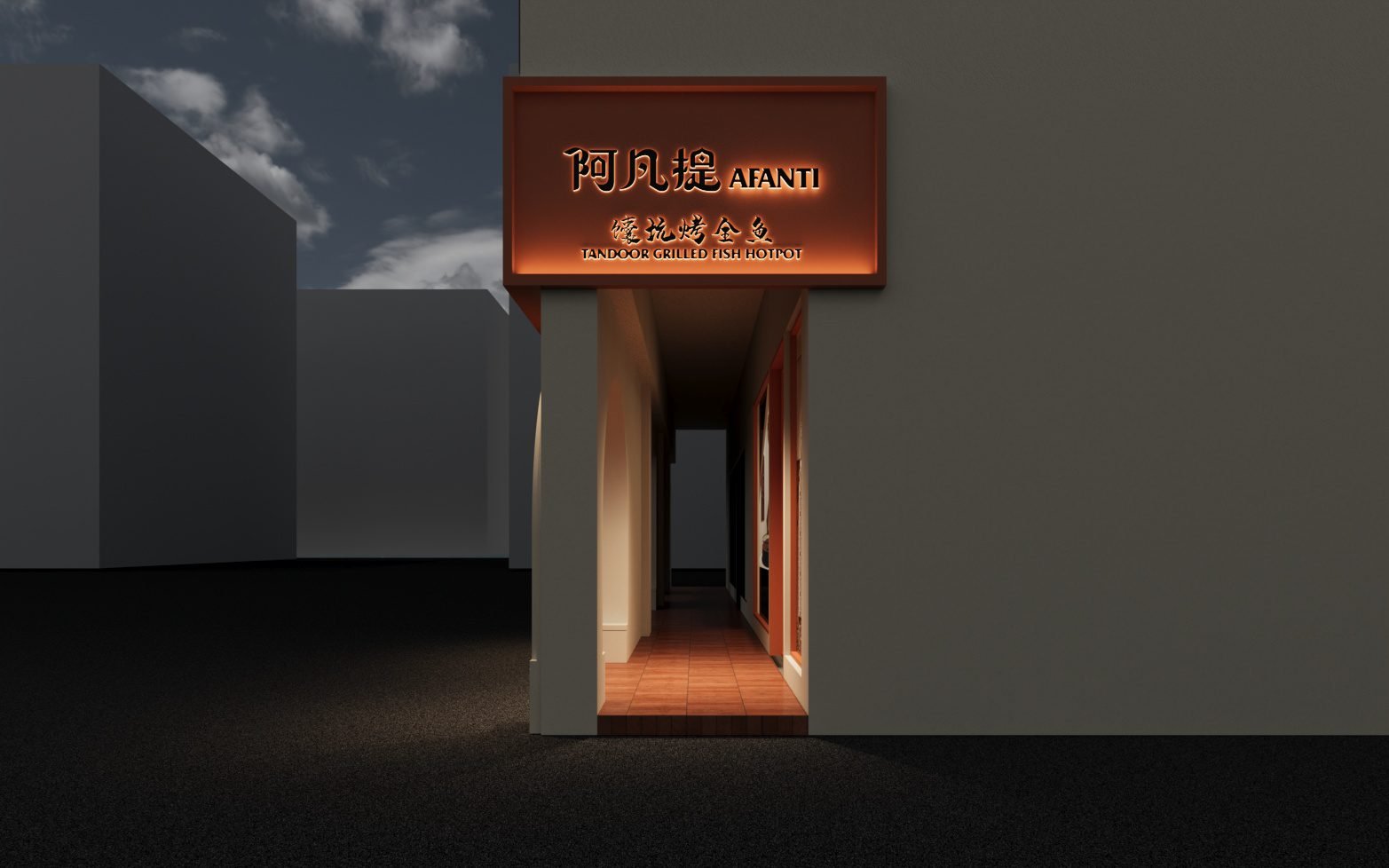
The façade design of the building features an intricate lighting strip structure that creates a sense of light and shadow, enhancing the brand’s visual identity through VI elements. Additionally, a distinctive sculpture of an elderly person in Xinjiang style has been incorporated to add an exotic touch. The iconic orange-red color scheme of the façade seamlessly complements the interior, creating a unified visual space without appearing disjointed.
Spatial planning
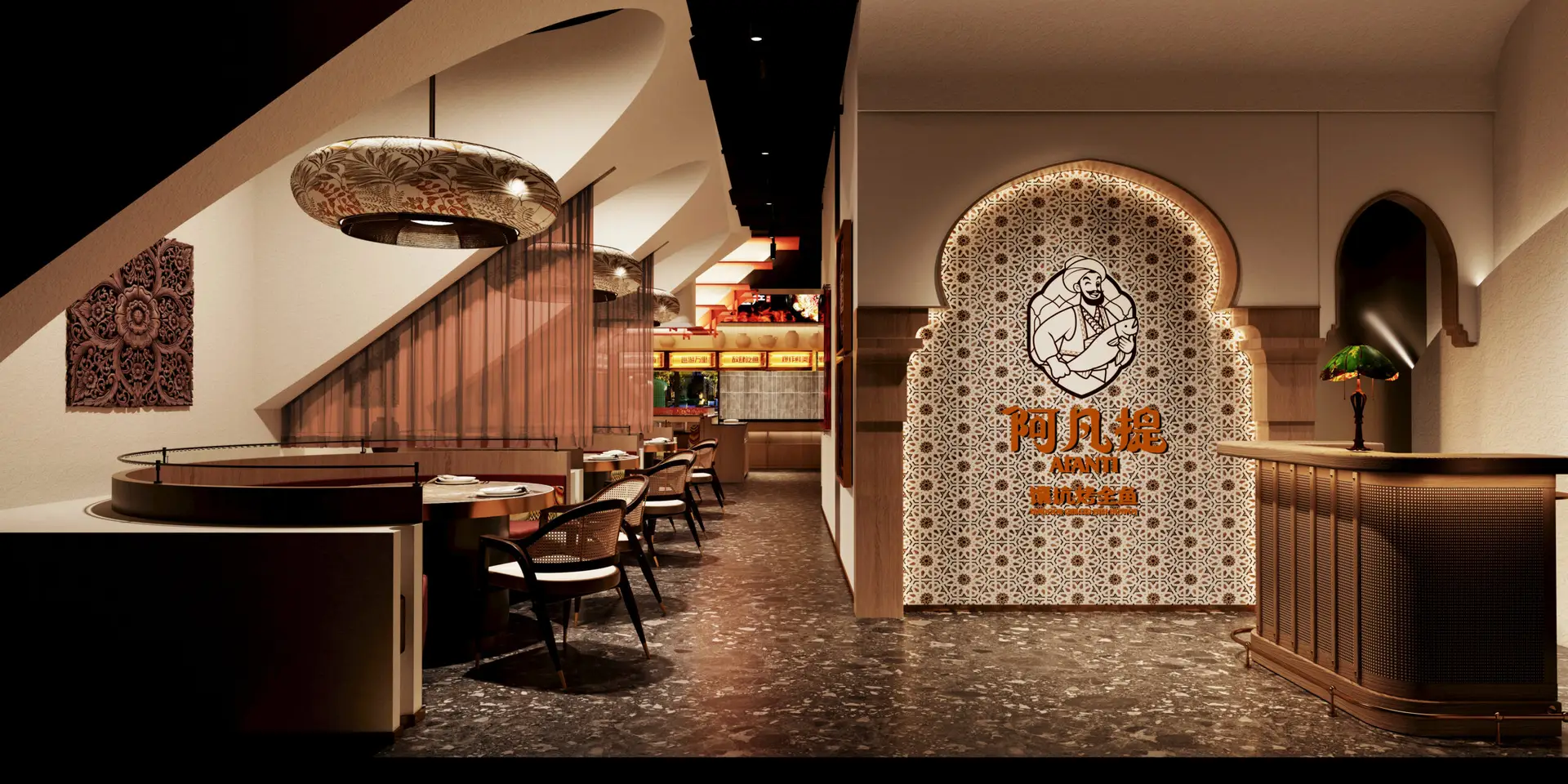
A circular seating area has been created at the main entrance, which complements the irregular ceiling above. Given that people generally prefer some level of privacy when eating, soft dividers have been added between the seating areas to create highly private dining spaces. Functional zones and visual highlights, allowing guests to engage with the cooking process.
Brand Identity
The branding elements are deeply integrated into the design. The logo wall features mosaic tiles with traditional patterns from Xinjiang. This design not only aligns with the restaurant’s exotic style but also highlights the logo. Let’s look forward to the final outcome! The consistent use of color, material, and cultural references ensures a cohesive visual story from exterior to interior.